ICISPC 2026
ICISPC 2026 conference
ICISPC 2026 has been successfully held in Kobe, Japan during July 11-13, 2026.
Thank you for your participation and support.
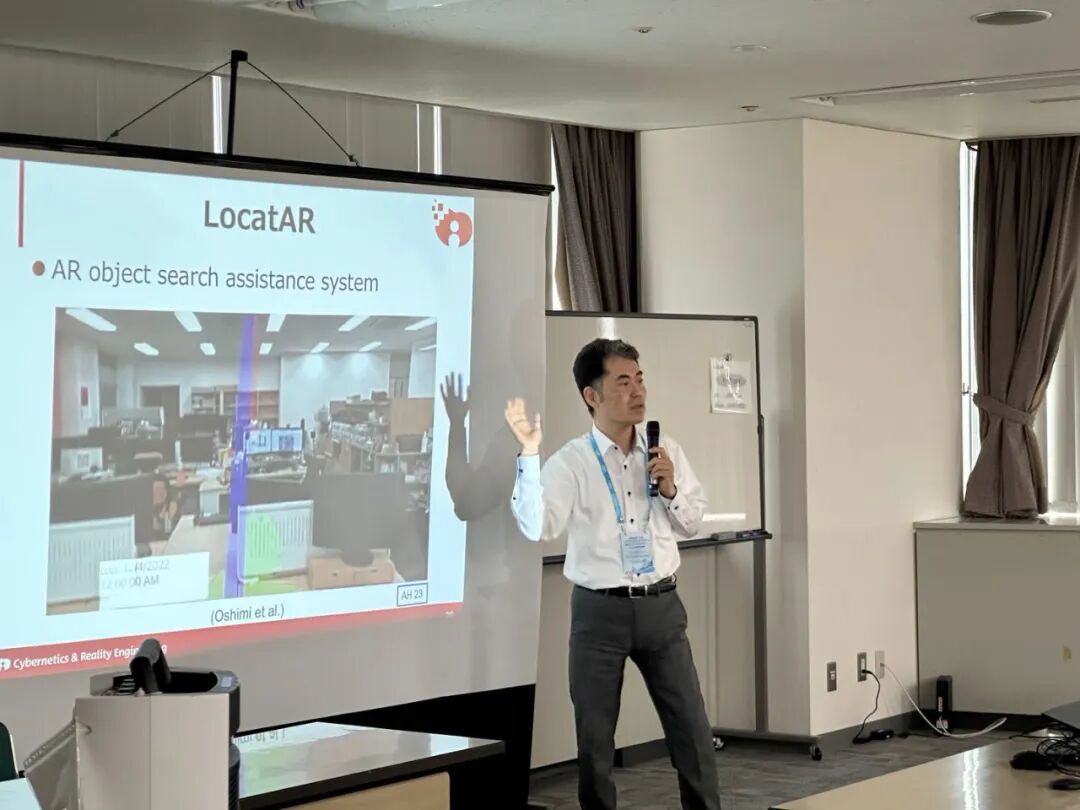
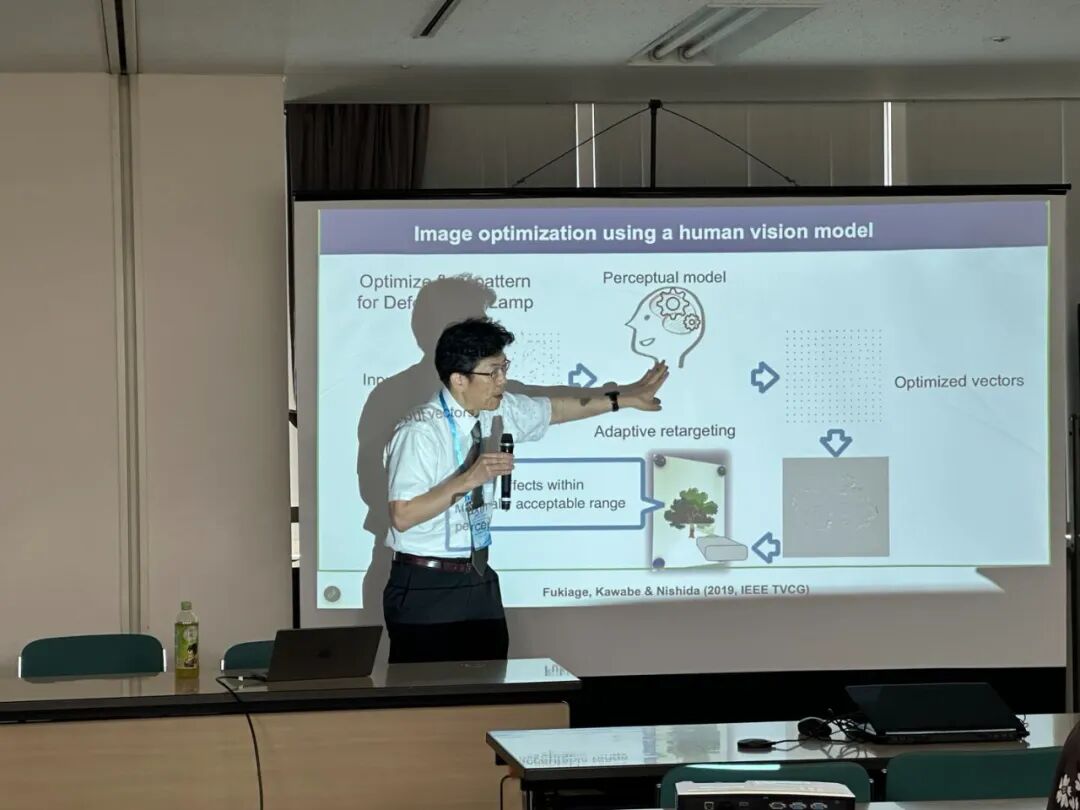
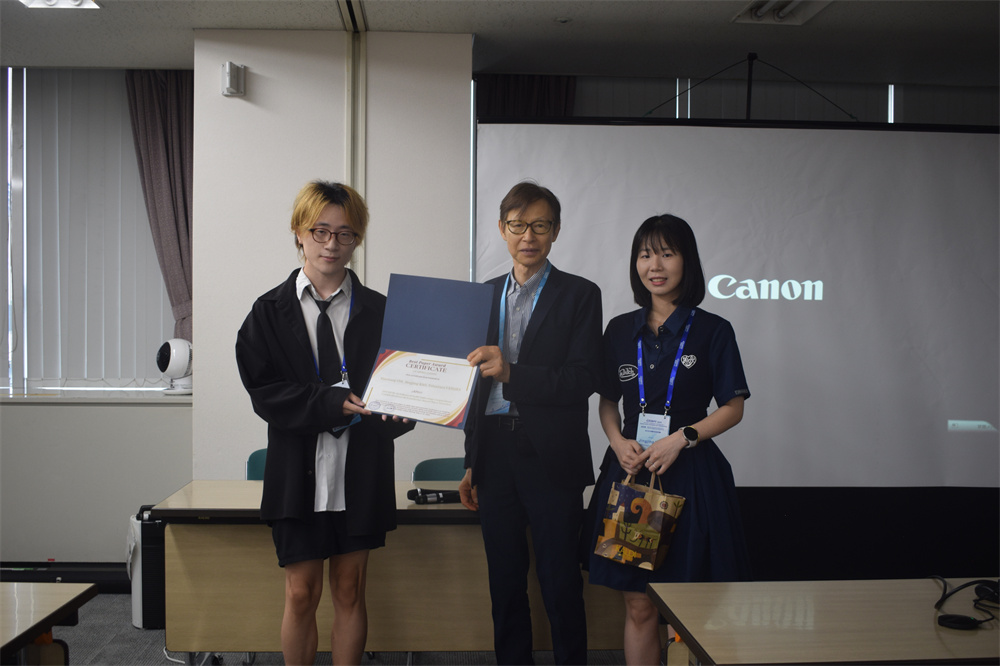
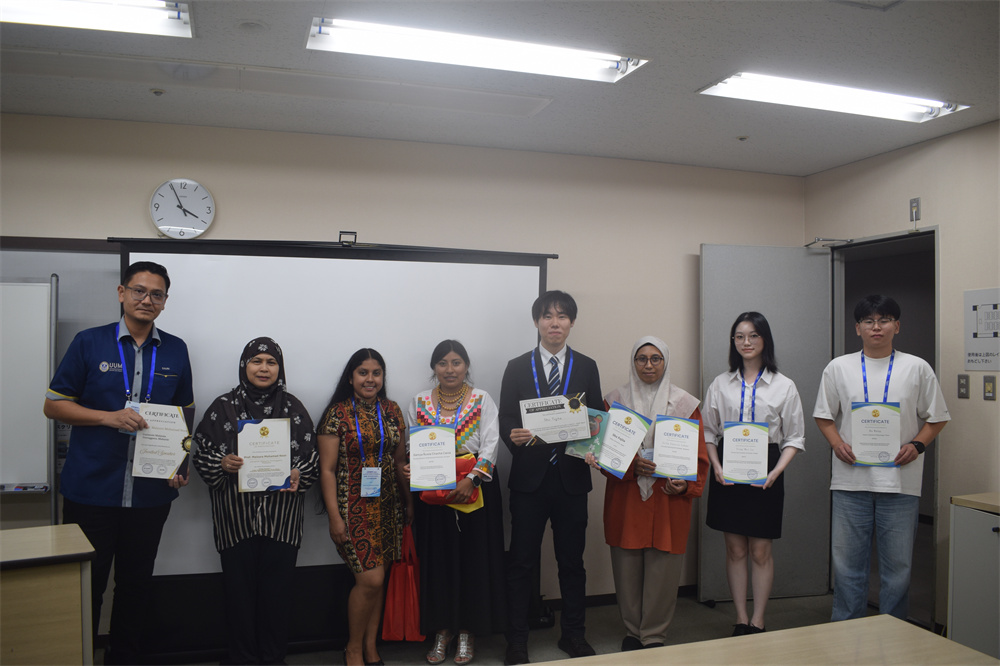
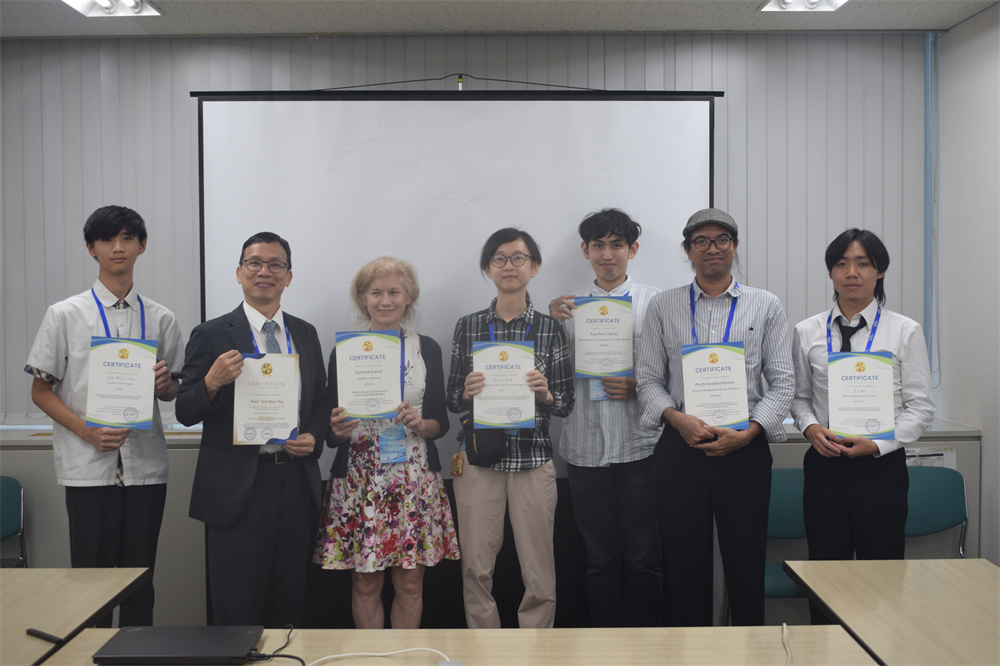
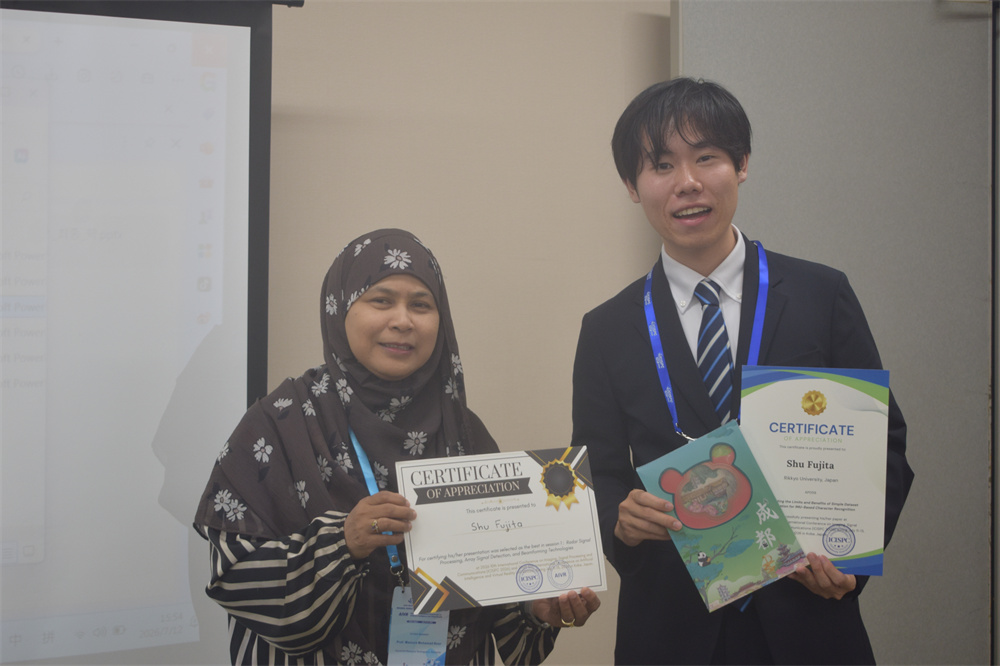
Best
presentations:
Onsite Session 1:
AP058
Shu Fujita, Rikkyo University, Japan
Onsite Session 2:
AP2013
Hui-Min Lai, National Taichung
University of Science and Technology,
Taiwan
Onsite Session 3:
AP038
Yulkifli, Padang State University,
Indonesia
Onsite Session 4:
AP2006
Nur Sauri Yahaya, Universiti Utara
Malaysia, Malaysia
Onsite Session 5:
AP026
Raymond Irwin P. Pambuan, Mapua
University, Philippines
Onsite Session 6:
AP2032
Abdullah Konak, Penn State Berks, USA
Online Session 1:
AP025
Karl Ignatius Gavino, Mapua University,
Philippines
Online Session 2:
AP2069
Masaki Oshita, Kyushu Institute of
Technology, Japan
Online Session 3:
AP2064
Radu-Daniel Vatavu, Stefan cel Mare
University of Suceava, Romania
Speakers of ICISPC2026
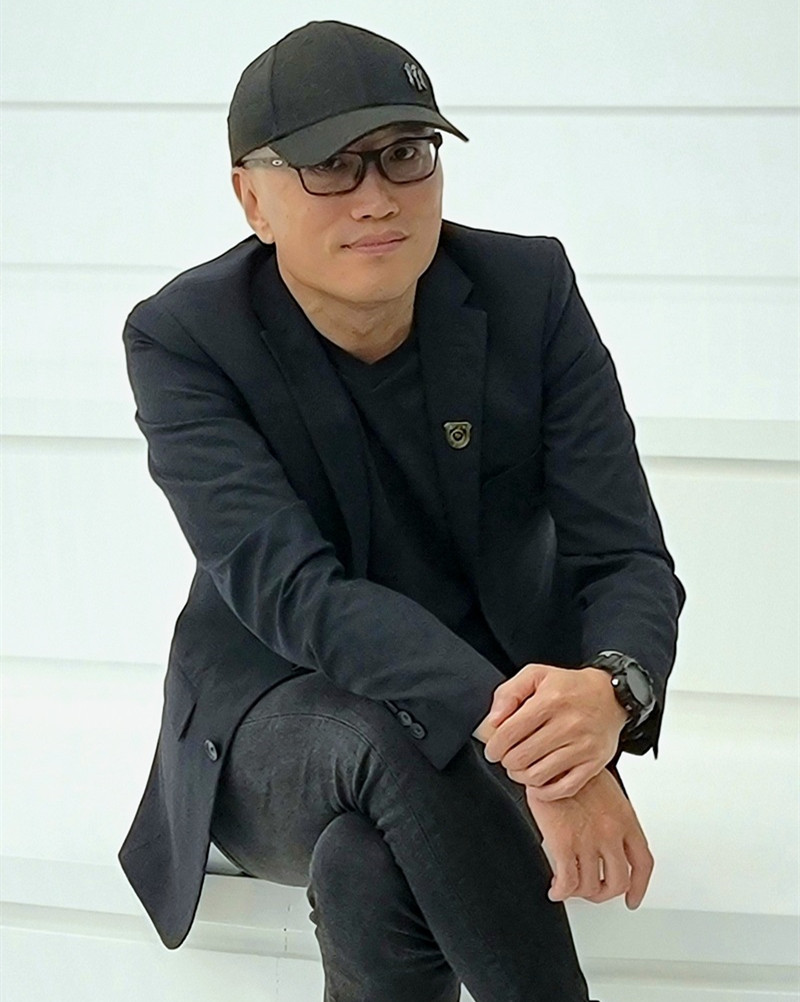
Prof. Kiyoshi Kiyokawa
Nara Institute of Science and Technology, Japan
Speech Title: From Augmented Reality
to Proactive Vision Care: Two Decades of
Co-evolving XR and AI in Advanced
Eyewear
Prof. Shin'ya Nishida
Speech Title: Toward Digital Twins of Human Visual Perception
Biography:
Shin’ya Nishida is
Professor at the Graduate School of
Informatics, Kyoto University, and
former Senior Distinguished Scientist at
NTT Communication Science Laboratories,
Japan.
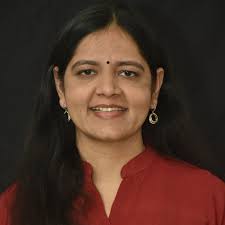
Prof. Mayuri Mehta
Speech Title: Transforming Healthcare with AI: Emerging Trends, Applications, and Future Research Directions
Biography:
Dr. Mayuri Mehta
is a Professor of Computer Engineering
at Sarvajanik College of Engineering and
Technology, India, with over 25 years of
academic, research and leadership
experience. She acts as the institute’s
International Relations and External
Affairs Officer and leads the AI Task
Force at Sarvajanik University.
Abstract: Over the past two decades,
head-mounted displays (HMDs) have
evolved from devices that overlay
information onto the world into
intelligent eyewear that senses,
corrects, and cares for human vision
itself. In this keynote, I trace this
trajectory through my own research,
organized around three movements. The
first is the pursuit of the "ideal"
display—a decades-long quest for HMDs
that are compact and lightweight yet
offer a wide field of view, high angular
resolution, correct focus cues, faithful
color reproduction, accurate
calibration, low latency, and proper
mutual occlusion—illustrated by wide
field-of-view optical see-through
designs based on retro-transmissive
screens and a series of
occlusion-capable displays. The second,
and the heart of this talk, is sensing
the eye: a progression from
corneal-feedback AR, in which corneal
imaging and deep learning enable
calibration-free gaze and focus
estimation, eye-contact detection, and
even the diagnosis of abnormal eye
movements, to wearable measurement of
eye movements, electro-oculography, and
pupillometry that infer refractive
error, blink rate, and visual fatigue in
daily life, and onward to a new
generation of CMOS sensors that capture
the ocular surface and even the axial
length of the eye. The third is flexible
problem-solving through AR and vision
augmentation: enhancing, attenuating, or
reorganizing what we see to assist
people with strabismus, low vision, or
visual hypersensitivity, and to support
everyday tasks. I argue that the
convergence of XR and AI is now turning
continuous, multi-dimensional eye data
into early prediction of ocular disease.
This conviction has led us to launch a
new large-scale research program on
"proactive vision care"—advanced eyewear
that watches the eyes to anticipate risk
and intervene before symptoms appear, as
a step toward preventive, personalized
medicine. I close with reflections on
what truly benefits the human behind the
glasses.
Biography:
Kiyoshi Kiyokawa
is a Professor at the Nara Institute of
Science and Technology (NAIST), where he
leads the Cybernetics and Reality
Engineering (CARE) Laboratory. He is a
distinguished researcher in virtual
reality (VR), augmented reality (AR),
and human augmentation. Professor
Kiyokawa received his M.S. and Ph.D.
degrees from NAIST in 1996 and 1998,
respectively. His career includes
positions as an Associate Professor at
Osaka University, a researcher at the
Communications Research Laboratory (now
NICT), and a visiting scholar at the
University of Washington’s Human
Interface Technology Laboratory. His
significant contributions have been
recognized with numerous accolades,
including the 2022 IEEE VGTC Virtual
Reality Technical Achievement Award, the
inaugural 2022 IEEE VGTC Virtual Reality
Service Award, and the title of Fellow
from the Virtual Reality Society of
Japan (VRSJ).
Professor Kiyokawa's research has
resulted in several pioneering technical
achievements. He is known for developing
advanced head-mounted display (HMD)
systems, including ELMO, the first
occlusion-capable optical see-through
HMD in 1999. His foundational work also
includes VLEGO, one of the first
collaborative immersive modelers, and
SeamlessDesign, which featured the first
transitional interface for switching
between VR and AR. His research extends
to vision augmentation and assistive
interfaces, collaborative virtual and
augmented reality, and innovative
multimodal interfaces.
Beyond his research, Professor Kiyokawa
has demonstrated a profound dedication
to the academic community through
extensive service and leadership. He has
served on the Steering Committees for
top-tier conferences, including IEEE VR,
IEEE ISMAR, and IEEE 3DUI. His
leadership roles are numerous, having
served as General Co-Chair for IEEE VR
2019 in Osaka, which was the largest
in-person conference in its history at
the time. Additionally, he is on the
Editorial Board of IEEE Transactions on
Visualization and Computer Graphics
(TVCG) and has frequently been a Board
Member of the VRSJ.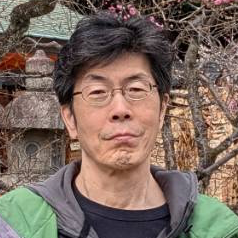
Kyoto University, Japan
Abstract: Virtual and mixed reality
technologies seek to reproduce the
sensory experiences of the real world.
Yet, faithfully simulating every aspect
of human sensory input remains
computationally infeasible. Practical
systems must therefore simplify or omit
information—but ideally in ways that
users never notice. Achieving this goal
requires not only advances in
engineering but also a deep
understanding of human perception. In
other words, effective VR/MR systems
should exploit the characteristics and
limitations of the human visual system,
allowing them to “fool the brain”
without degrading the perceived
experience.
Traditionally, the development of
immersive systems has relied heavily on
user studies. While indispensable, human
experiments are inherently limited by
practical and ethical constraints,
making it difficult to exhaustively
explore the vast design space of VR/MR
systems. This motivates a new paradigm:
replacing the human component of the
conventional framework with a digital
twin of human perception. Such a
perceptual digital twin would enable
rapid evaluation and optimization of
system designs while explicitly
accounting for human perceptual
characteristics.
Recent advances in computer vision have
made computational models of vision far
more powerful than ever before, in some
cases surpassing human performance on
visual recognition tasks. However, high
performance alone does not guarantee
that these models perceive the world as
humans do. To serve as perceptual
digital twins, computational models must
reproduce not only human-level
performance but also human perceptual
behavior, including its strengths,
limitations, and systematic biases.
Achieving this goal requires both
biologically and psychologically
informed machine models and large-scale
human perceptual datasets that allow
direct comparisons between model
predictions and human behavior.
In this keynote, I will discuss our
recent efforts toward building digital
twins of human visual motion perception,
focusing on computational models and
benchmark datasets that capture human
characteristics.
His research focuses on human sensory
information processing, including visual
motion perception, time perception,
material perception, tactile perception,
and multisensory integration. Although
originally educated in psychology at
Kyoto University, he pursued a broad
spectrum of research ranging from
fundamental perceptual science to
engineering-oriented studies during his
long career at NTT laboratories. His
work combines psychophysics, cognitive
neuroscience, computational modeling,
and engineering approaches to understand
human perceptual intelligence. His
recent interests include the use of
machine vision systems to better
understand human visual intelligence. He
is widely recognized as one of Japan’s
leading vision scientists and has served
on the editorial boards of major
journals in the field, including Journal
of Vision, Vision Research, and Annual
Review of Vision Science.
He has also played leading roles in
large-scale interdisciplinary research
initiatives, including the Japanese
national projects “Innovative Shitsukan
Science and Technology” (2015–2020) and
“Deep Shitsukan” (2020–2025), both
focusing on the science of material and
sensory perception. He currently serves
as Sub-program Director of JST Moonshot
Goal 9.
He has received numerous honors,
including the Japan Society for the
Promotion of Science Prize (2006), the
MEXT Prize for Science and Technology
(2015), the Special Prize of the
Japanese Psychological Association
International Award (2023), and the
Medal with Purple Ribbon from the
Japanese government (2024).
Sarvajanik College of Engineering and Technology, India
Abstract: Artificial Intelligence
(AI) is driving the transformation of
next-generation healthcare by enabling
intelligent, data-driven, and
patient-centric solutions. The rapid
growth of electronic health records,
medical imaging, genomics, wearable
sensors, and real-time monitoring
systems has generated vast volumes of
heterogeneous healthcare data. Advanced
AI techniques are increasingly being
leveraged to extract meaningful insights
from this data, thereby improving
clinical decision-making, diagnosis, and
treatment planning.
Recent advancements in AI are reshaping
healthcare applications such as disease
diagnosis, medical image analysis,
robot-assisted surgeries, biomedical
wearables, personalized medicine, drug
discovery, bioinformatics, telemedicine,
and healthcare analytics. Despite these
advancements, critical challenges
remain, including data privacy, model
interpretability, bias, regulatory
compliance, and ethical deployment.
Addressing these concerns is essential
for building trustworthy and scalable
healthcare systems.
This session provides a comprehensive
overview of emerging AI trends and their
applications in healthcare including use
cases, associated challenges, and future
research directions. It offers an
interdisciplinary perspective, equipping
participants from academia, industry,
and healthcare domains with insights
into the evolving AI-driven healthcare
ecosystem.
Her research work focuses on Applied AI
and Data Science, Medical Image
Analysis, Health Informatics, and
Computer Vision, with particular
interest in AI for healthcare and
societal impact.. She has delivered more
than 150 invited talks, keynote
lectures, and technical sessions at
international conferences, universities,
and professional forums across the
world. Her talks have been hosted by
institutions including Imperial College
London, Coventry University & Ulster
University in UK, University of Rhode
Island in USA, and Pwani University in
Kenya along with numerous IEEE
International conferences & IEEE
international sections.
She owns 18 patents, 6 published books
and 60+ research papers, and has secured
multiple research grants. Her
contributions to engineering education
and research have been recognized
through multiple honors, including the
‘Best Paper Awards’, the ‘Nation Builder
Award (Rotary District 3060)’, ‘Best
Teacher Award’ by 112 years old
philanthropic Sarvajanik Education
Society, and ‘Researcher of the Year
Award (Engineering – Female)’. She was
also featured in the “Women in AI”
initiative by INDIAai (INDIAai.gov.in),
recognizing her contributions to
Artificial Intelligence research and
education (Women in AI on INDIAai).
Dr. Mehta is a Senior Member of IEEE
and an active member of IEEE societies
including Women in Engineering, EMBS,
and SPS. She is also a Lifetime Member
of professional bodies such as ISTE and
CSI.